

Amazon Fire TV Channels – 400 TV channels for free
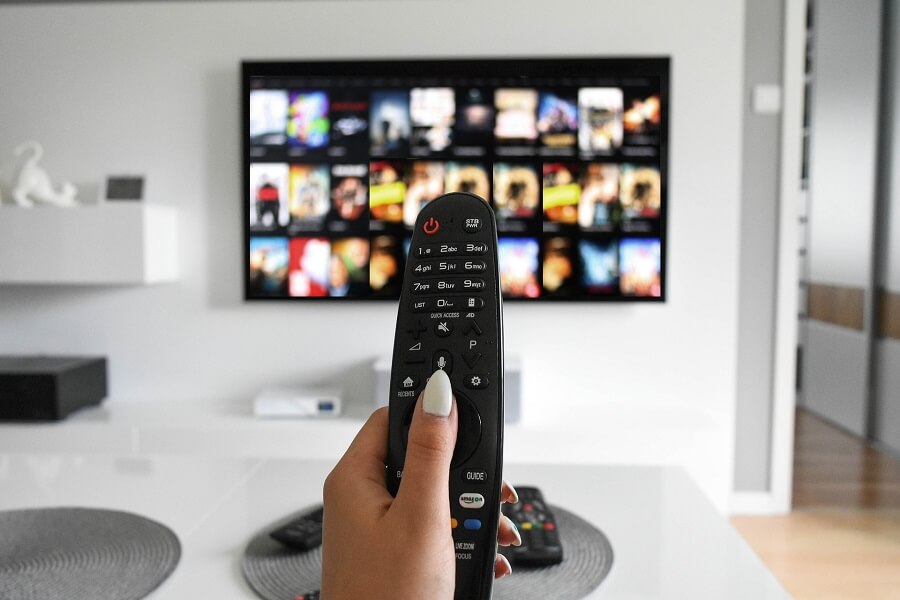
Already with the introduction of Amazon Freevee FAST channels (FAST= Free-Ad-Supported Streaming TV) were integrated, but this offer has recently been significantly expanded. Amazon has signed a deal with Warner Bros. Discovery and its subsidiary MGM. This gives Freevee users access to 23 special interest channels offering content from the two renowned film studios. Warner in particular has recently focused more on cooperation with advertising-financed AVoD platforms. But the journey goes much further, because with 400 TV channels that are initially only available in the USA, the streaming business is increasingly being expanded to an advertising-financed model.

Amazon Fire TV Channels – 400 TV channels for free
Already with the introduction of Amazon Freevee FAST channels (FAST= Free-Ad-Supported Streaming TV) were integrated, but this offer has recently been significantly expanded. Amazon has signed a deal with Warner Bros. Discovery and its subsidiary MGM. This gives Freevee users access to 23 special interest channels offering content from the two renowned film studios. Warner in particular has recently focused more on cooperation with advertising-financed AVoD platforms. But the journey goes much further, because with 400 TV channels that are initially only available in the USA, the streaming business is increasingly being expanded to an advertising-financed model.
Amazon with a new focus
Amazon with a new focus
Prime Video users are already familiar with self-promotion, which can be shown before series and films, but can also be skipped. If Prime Video introduced even more extensive advertising, skipping would no longer exist in a purely ad-supported model . It remains unclear whether this model, similar to Netflix, will be cheaper or even free.
Amazon has so far had clear differences between Prime Video and Freevee made. Nevertheless, there were spin-offs from premium series such as „Bosch Legacy“ that were shown exclusively on Freevee. Compared to other AVOD services, Freevee offers more high-quality series and films from the Amazon range. It’s conceivable that Prime Video will introduce advertising, since competitors like Netflix and Disney+ also have similar pricing models in the US. It would be surprising if Amazon didn’t follow such a trend. However, Prime Video’s current pricing model is already partially cheaper than that of the competition. Especially when you consider what else is included in the Prime subscription.
If Amazon decides to go with this model, implementation could happen soon. The launch of Freevee in Germany was also delayed because the service was previously available in the US as „IMDb TV“ was known. In the near future, Disney+ is likely planning to also (in addition to the upcoming price increase) introduce an ad-supported model in Germany. It is therefore becoming increasingly clear that the fragmentation of streaming services is blossoming, and attempts are being made to compensate for losses caused by the loss of content.
400 TV channels with advertising
In the summer of this year, Amazon FAST (FAST= Free-Ad-Supported Streaming TV) will initially be launched in the USA with 400 free-to-air TV channels. But of course nothing in life is really free and you will have to live with advertisements on an unprecedented scale. It will probably start slowly, because on the one hand data on user behavior still has to be generated, and of course you don’t want to drive users away right at the beginning with advertising terror – which has become the norm in classic TV.
The advantage is that users neither need a Prime subscription nor an Amazon account. With a Fire TV Stick that can be plugged into the TV and connected via WLAN, the „enjoyment“ with the streaming of the TV channels can start without running costs.
„The reason for the TV broadcasters to be more open to Amazon Fire TV is the possibility of more targeted advertising. In classic TV, attempts have been made to better align advertising with the target groups for many years, but the major disadvantage for advertisers via this advertising channel is that, due to the insufficient database, it is mostly „stray fire“ and a lot of advertising budget is wasted as a result .“
Streaming portals such as Netflix, Disney+ and Amazon Prime Video can of course provide significantly more data based on user behavior and display advertising in a more targeted manner. Because the streaming market is always expanding more fragmented, and the cost pressure of streaming providers due to rising production costs and license fees, advertising-financed models spread the risk.
It’s pretty certain that Amazon will expand its range of free-to-air TV channels in other countries outside of the USA. However, it remains to be seen whether users will accept the already overflowing range of TV channels.
Prime Video users are already familiar with self-promotion, which can be shown before series and films, but can also be skipped. If Prime Video introduced even more extensive advertising, skipping would no longer exist in a purely ad-supported model . It remains unclear whether this model, similar to Netflix, will be cheaper or even free.
Amazon has so far had clear differences between Prime Video and Freevee made. Nevertheless, there were spin-offs from premium series such as „Bosch Legacy“ that were shown exclusively on Freevee. Compared to other AVOD services, Freevee offers more high-quality series and films from the Amazon range. It’s conceivable that Prime Video will introduce advertising, since competitors like Netflix and Disney+ also have similar pricing models in the US. It would be surprising if Amazon didn’t follow such a trend. However, Prime Video’s current pricing model is already partially cheaper than that of the competition. Especially when you consider what else is included in the Prime subscription.
If Amazon decides to go with this model, implementation could happen soon. The launch of Freevee in Germany was also delayed because the service was previously available in the US as „IMDb TV“ was known. In the near future, Disney+ is likely planning to also (in addition to the upcoming price increase) introduce an ad-supported model in Germany. It is therefore becoming increasingly clear that the fragmentation of streaming services is blossoming, and attempts are being made to compensate for losses caused by the loss of content.
400 TV channels with advertising
In the summer of this year, Amazon FAST (FAST= Free-Ad-Supported Streaming TV) will initially be launched in the USA with 400 free-to-air TV channels. But of course nothing in life is really free and you will have to live with advertisements on an unprecedented scale. It will probably start slowly, because on the one hand data on user behavior still has to be generated, and of course you don’t want to drive users away right at the beginning with advertising terror – which has become the norm in classic TV.
The advantage is that users neither need a Prime subscription nor an Amazon account. With a Fire TV Stick that can be plugged into the TV and connected via WLAN, the „enjoyment“ with the streaming of the TV channels can start without running costs.
„The reason for the TV broadcasters to be more open to Amazon Fire TV is the possibility of more targeted advertising. In classic TV, attempts have been made to better align advertising with the target groups for many years, but the major disadvantage for advertisers via this advertising channel is that, due to the insufficient database, it is mostly „stray fire“ and a lot of advertising budget is wasted as a result .“
Streaming portals such as Netflix, Disney+ and Amazon Prime Video can of course provide significantly more data based on user behavior and display advertising in a more targeted manner. Because the streaming market is always expanding more fragmented, and the cost pressure of streaming providers due to rising production costs and license fees, advertising-financed models spread the risk.
It’s pretty certain that Amazon will expand its range of free-to-air TV channels in other countries outside of the USA. However, it remains to be seen whether users will accept the already overflowing range of TV channels.
Über den Autor:



Über den Autor:
Popular Posts

Was wäre wenn… Wir 100 % unseres Gehirns nutzen würden?
Der Mythos hält sich hartnäckig: Angeblich nutzen wir nur 10 % unseres Gehirns. Was wäre, wenn wir wirklich alle Areale gleichzeitig aktivieren würden? Von Reizüberflutung über enormen Energiehunger bis zu Superkräften – entdecke faszinierende und schockierende Hypothesen.

Was wäre wenn… Das bedingungslose Grundeinkommen eingeführt würde?
Die Einführung eines Bedingungslosen Grundeinkommens (BGE) verspricht das Ende existenzieller Ängste, birgt aber enorme finanzielle Risiken. Unser Artikel beleuchtet die Argumente beider Seiten und wagt eine hypothetische Prognose über die gesellschaftlichen Folgen.

Was wäre wenn… Das Bargeld komplett abgeschafft würde
Was passiert, wenn Münzen und Scheine komplett verschwinden? Ein Bargeldverbot könnte Geldwäsche stoppen, wirft aber fundamentale Fragen zur staatlichen Überwachung, Krisensicherheit und sozialer Ausgrenzung auf. Ein Blick auf die Konsequenzen einer digitalen Wirtschaft.

Was wäre wenn… Das Internet weltweit für eine Woche ausfällt?
168 Stunden ohne Netz: Ein globaler Internet-Blackout würde unsere moderne Welt in ein beispielloses Chaos stürzen. Von zusammenbrechenden Lieferketten bis hin zum Kommunikations-Kollaps – entdecken Sie, was in einer Woche offline wirklich passieren würde.

Diese Länder haben das beste Mobilfunknetz – und wo steht Deutschland?
Wer bietet 2026 die besten Download- und Uploadraten? Während Länder wie die VAE mit über 740 Mbps Downloadspeed dominieren, liegt Deutschland mit einem Median von 148 Mbps weltweit auf Platz 53. Trotz hervorragender 5G-Flächenabdeckung von fast 95 Prozent fehlt es hierzulande oft noch an echtem 5G Standalone für Höchstgeschwindigkeiten. Spitzenreiter in Deutschland bleibt die Telekom.
Preisschock bei YouTube: Premium-Abos werden in Deutschland drastisch teurer
YouTube bittet zur Kasse: Die Preise für Premium- und Music-Abos in Deutschland steigen um bis zu 33 Prozent. Während Neukunden ab sofort mehr zahlen, haben Bestandskunden eine kurze Schonfrist. Wir zeigen die neuen Tarife und erklären, wie man die teure In-App-Falle umgeht.

Popular Posts
Was wäre wenn… Wir 100 % unseres Gehirns nutzen würden?
Der Mythos hält sich hartnäckig: Angeblich nutzen wir nur 10 % unseres Gehirns. Was wäre, wenn wir wirklich alle Areale gleichzeitig aktivieren würden? Von Reizüberflutung über enormen Energiehunger bis zu Superkräften – entdecke faszinierende und schockierende Hypothesen.
Was wäre wenn… Das bedingungslose Grundeinkommen eingeführt würde?
Die Einführung eines Bedingungslosen Grundeinkommens (BGE) verspricht das Ende existenzieller Ängste, birgt aber enorme finanzielle Risiken. Unser Artikel beleuchtet die Argumente beider Seiten und wagt eine hypothetische Prognose über die gesellschaftlichen Folgen.
Was wäre wenn… Das Bargeld komplett abgeschafft würde
Was passiert, wenn Münzen und Scheine komplett verschwinden? Ein Bargeldverbot könnte Geldwäsche stoppen, wirft aber fundamentale Fragen zur staatlichen Überwachung, Krisensicherheit und sozialer Ausgrenzung auf. Ein Blick auf die Konsequenzen einer digitalen Wirtschaft.
Was wäre wenn… Das Internet weltweit für eine Woche ausfällt?
168 Stunden ohne Netz: Ein globaler Internet-Blackout würde unsere moderne Welt in ein beispielloses Chaos stürzen. Von zusammenbrechenden Lieferketten bis hin zum Kommunikations-Kollaps – entdecken Sie, was in einer Woche offline wirklich passieren würde.
Diese Länder haben das beste Mobilfunknetz – und wo steht Deutschland?
Wer bietet 2026 die besten Download- und Uploadraten? Während Länder wie die VAE mit über 740 Mbps Downloadspeed dominieren, liegt Deutschland mit einem Median von 148 Mbps weltweit auf Platz 53. Trotz hervorragender 5G-Flächenabdeckung von fast 95 Prozent fehlt es hierzulande oft noch an echtem 5G Standalone für Höchstgeschwindigkeiten. Spitzenreiter in Deutschland bleibt die Telekom.
Preisschock bei YouTube: Premium-Abos werden in Deutschland drastisch teurer
YouTube bittet zur Kasse: Die Preise für Premium- und Music-Abos in Deutschland steigen um bis zu 33 Prozent. Während Neukunden ab sofort mehr zahlen, haben Bestandskunden eine kurze Schonfrist. Wir zeigen die neuen Tarife und erklären, wie man die teure In-App-Falle umgeht.